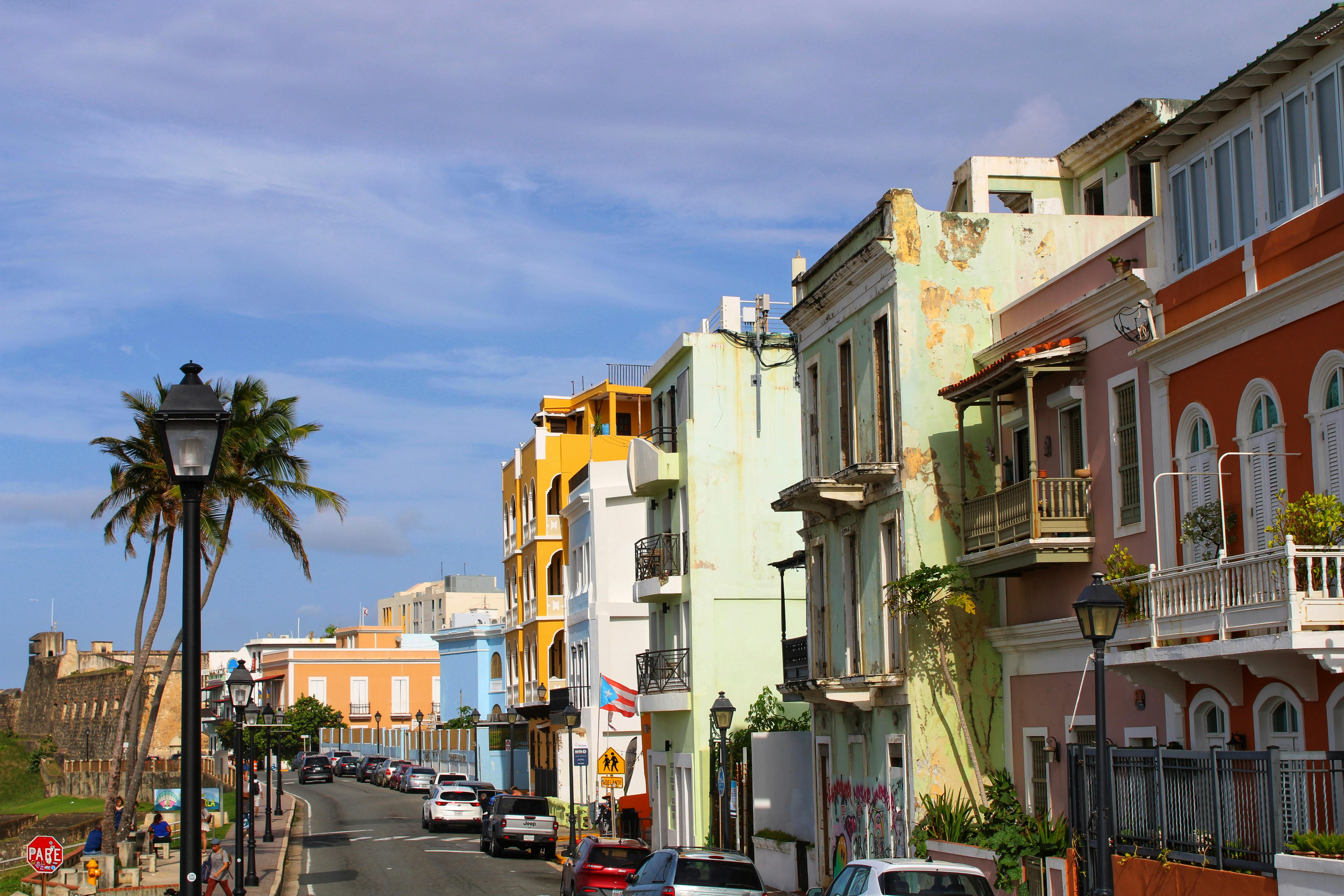
Beachfront property in Puerto Rico, Gran Canaria typically appeals to buyers seeking a combination of direct ocean access, year-round rental demand, and long-term capital stability. Prices are higher than inland areas, ownership involves specific coastal regulations, and transaction costs extend beyond the purchase price. This guide explains where beachfront homes are located, what they cost, and how the legal framework works, so buyers can assess suitability before committing capital.
Why Buy Beachfront Property in Puerto Rico, Gran Canaria
Buyers choose beachfront property in Puerto Rico primarily for predictable demand, limited coastal supply, and strong lifestyle usability. Unlike seasonal resort towns, Puerto Rico benefits from Gran Canaria’s stable climate and year-round tourism, which supports both short-term and long-term rental strategies.
From an ownership perspective, beachfront homes here are not speculative assets driven by rapid development. Coastal land is tightly regulated, meaning new supply is restricted. This tends to protect existing property values over the long term rather than encouraging short-term price spikes.
For owner-occupiers, beachfront living in Puerto Rico offers walkable access to beaches, marina services, restaurants, and healthcare facilities without the isolation seen in some coastal markets. For investors, the same characteristics translate into high occupancy rates, especially during winter months when demand from Northern Europe peaks.
Importantly, beachfront ownership in Puerto Rico is less about exclusivity and more about consistency. Buyers should approach it as a defensive real estate position: moderate appreciation, reliable liquidity, and resilience during broader market slowdowns.
Where Beachfront Property Is Actually Located
Beachfront property in Puerto Rico is concentrated in a narrow coastal strip rather than spread evenly across the town. True beachfront units are those with direct, unobstructed frontage to the shoreline, not merely sea views or proximity claims.
The most established beachfront area lies around Playa de Puerto Rico, where apartment complexes and select residential buildings were developed before stricter coastal planning rules came into force. These properties typically sit closest to the water and command the highest prices.
Secondary beachfront-adjacent zones include areas bordering the marina and pedestrian promenade. While not all properties here qualify as legally beachfront, they often benefit from protected views and immediate beach access through public pathways.
Buyers should be cautious with listings marketed as “frontline” or “first line” without verifying cadastral boundaries. In Gran Canaria, beachfront designation depends on legally defined coastal demarcation lines, not marketing language. Verification through the land registry and coastal authority records is essential before assuming beachfront rights.
Current Market Pricing and Value Drivers
Beachfront property prices in Puerto Rico are consistently higher than inland residential units due to scarcity and regulatory constraints. Values are driven less by square meter size and more by frontage position, elevation above sea level, and building age.
Older beachfront buildings often trade at a premium despite dated interiors because replacement is not possible under current coastal laws. Buyers frequently renovate interiors while retaining the irreplaceable location advantage.
Market pricing is also influenced by tourist rental eligibility. Properties already compliant with local holiday rental regulations tend to achieve stronger valuations, as buyers factor in immediate income potential without legal uncertainty.
It is common for beachfront units to remain on the market longer than inland apartments, not due to lack of demand, but because sellers are price-sensitive and aware of limited competition. Negotiation margins exist, but they are narrower than in non-coastal segments.
Total Purchase Costs Beyond the Property Price
Buying beachfront property in Puerto Rico involves additional costs typically amounting to 8–11% of the agreed purchase price. These costs are mandatory and apply equally to Spanish nationals and foreign buyers.
The largest cost component is property transfer tax, which is applied when purchasing a resale property. This tax is calculated as a percentage of the declared purchase value recorded at the notary.
Notary fees and land registry charges are legally regulated and scale with the purchase price. Beachfront properties do not carry higher notary costs solely due to their coastal location, but complex title histories or older buildings can increase legal review time.
Legal representation is not mandatory under Spanish law, but it is widely considered essential for beachfront transactions. Lawyers typically charge a fixed percentage or flat fee to conduct due diligence, verify coastal compliance, and manage completion.
Buyers should also budget for immediate post-purchase expenses. These may include community fee adjustments, insurance upgrades due to coastal exposure, and interior renovations to meet modern rental or living standards.
Taxes Applicable to Beachfront Property Ownership
Beachfront property owners in Puerto Rico are subject to the same core property taxes as other residential owners in Gran Canaria, with additional attention required for rental income and non-resident status.
The annual local property tax is calculated based on cadastral value rather than market value. In Puerto Rico, cadastral values are generally conservative, resulting in relatively modest yearly tax obligations even for high-value beachfront homes.
Non-resident owners are subject to an imputed income tax if the property is not rented, reflecting Spain’s assumption of notional use. This tax is calculated annually and applies regardless of whether the property generates income.
Rental income from beachfront properties is taxed under Spanish income tax rules. Compliance requires registration, periodic declarations, and allowable expense deductions. Beachfront units often generate higher gross income, but this also increases scrutiny of compliance.
Capital gains tax applies upon resale. For beachfront properties, gains may be significant due to long-term holding periods, making early tax planning and documentation retention essential from the date of purchase.
Legal Steps to Buy Beachfront Property in Puerto Rico
The legal process for buying beachfront property in Puerto Rico follows standard Spanish conveyancing but includes additional coastal compliance checks. Buyers should begin by confirming the property’s registration status at the land registry.
A reservation agreement is commonly used to remove the property from the market while due diligence is conducted. This agreement should clearly state refund conditions if legal or coastal issues arise.
Due diligence must include verification that the property is not subject to unresolved coastal encroachments under Spain’s Coastal Law. This step is critical for beachfront homes, particularly those built decades ago.
Completion occurs before a notary, where the title deed is signed and payment is formalized. At this stage, taxes are assessed based on the declared value, and ownership is legally transferred.
After completion, the deed must be registered, utilities transferred, and tax registrations updated. Failure to complete post-sale registrations can result in penalties or complications during future resale.
Risks and Long-Term Ownership Considerations
Beachfront property ownership in Puerto Rico, Gran Canaria carries specific long-term considerations that differ from inland real estate. The most material risk is regulatory rather than environmental. Spain’s Coastal Law governs the use, renovation, and future alteration of properties near the shoreline, and these rules can change over time.
While existing residential use is protected, structural extensions, façade changes, or footprint alterations may be restricted or prohibited. Buyers planning major renovations should confirm not only current permissions but also historic compliance status to avoid enforcement issues later.
Maintenance costs are another long-term factor. Salt air accelerates corrosion, increasing the frequency of exterior repairs, window replacements, and waterproofing. Community-managed buildings often handle these issues collectively, but costs are reflected in higher service charges over time.
From an investment perspective, liquidity remains strong but cyclical. Beachfront units tend to sell reliably, yet transaction timelines can lengthen during periods of regulatory uncertainty or broader economic tightening. Owners should view these assets as medium- to long-term holdings rather than quick resale opportunities.
Common Buyer Mistakes With Beachfront Property
One of the most common mistakes buyers make is assuming that all sea-facing properties qualify as beachfront. Visual proximity does not equate to legal beachfront status. Failure to verify cadastral boundaries and coastal classifications can result in incorrect valuation assumptions.
Another frequent error is underestimating post-purchase obligations. Buyers may focus heavily on acquisition costs while overlooking ongoing expenses such as higher insurance premiums, community assessments, and compliance-related upgrades.
Some investors also misjudge rental eligibility. Not all beachfront properties are licensed or licensable for short-term tourist rentals. Purchasing without confirming rental permissions can significantly alter projected returns.
Finally, relying solely on seller-provided documentation can expose buyers to hidden risks. Independent legal review is essential, particularly for older beachfront buildings constructed before current coastal regulations were enacted.
Frequently Asked Questions
Can foreigners buy beachfront property in Puerto Rico, Gran Canaria?
Yes. Foreign buyers face no restrictions when purchasing beachfront property in Puerto Rico. The legal process and ownership rights are the same as for Spanish nationals.
Is beachfront property in Puerto Rico a good long-term investment?
Beachfront property in Puerto Rico is generally considered a stable long-term investment due to limited supply, consistent demand, and strong resale liquidity, rather than rapid price appreciation.
Do beachfront properties have higher taxes than inland properties?
No. Taxation is based on cadastral value and ownership status, not proximity to the sea. However, higher market values can influence capital gains upon resale.
Can beachfront properties be renovated or extended?
Interior renovations are usually permitted, but structural changes and extensions may be restricted under Coastal Law regulations. Legal approval should be confirmed before purchase if modifications are planned.
How long does the buying process typically take?
A standard beachfront purchase in Puerto Rico typically takes six to ten weeks from reservation to completion, assuming no title or regulatory complications arise.
Key Takeaways
- Scarcity matters: Beachfront supply in Puerto Rico is fixed by regulation, supporting long-term value stability.
- Costs extend beyond price: Buyers should budget for taxes, legal fees, and higher maintenance obligations.
- Legal checks are critical: Coastal compliance verification is essential before committing to purchase.
- Best suited for long-term holding: These properties perform best as lifestyle assets or steady-income investments.
References
- Spanish Coastal Law (Ley de Costas)
- Government of the Canary Islands – Property and Land Registry Guidance
- Spanish Tax Agency – Non-Resident Property Taxation
- Gran Canaria Cadastral and Urban Planning Regulations